Sump Pump Installation
Installation of sump basins, pumps, discharge piping, and related components that collect and move water away from the basement.
Serving Fairfax, Virginia & surrounding areas
Mon–Fri 8am–6pm Sat 9am–2pm
Find the source of basement water, understand the repair options, and get a practical plan for keeping your lower level dry.
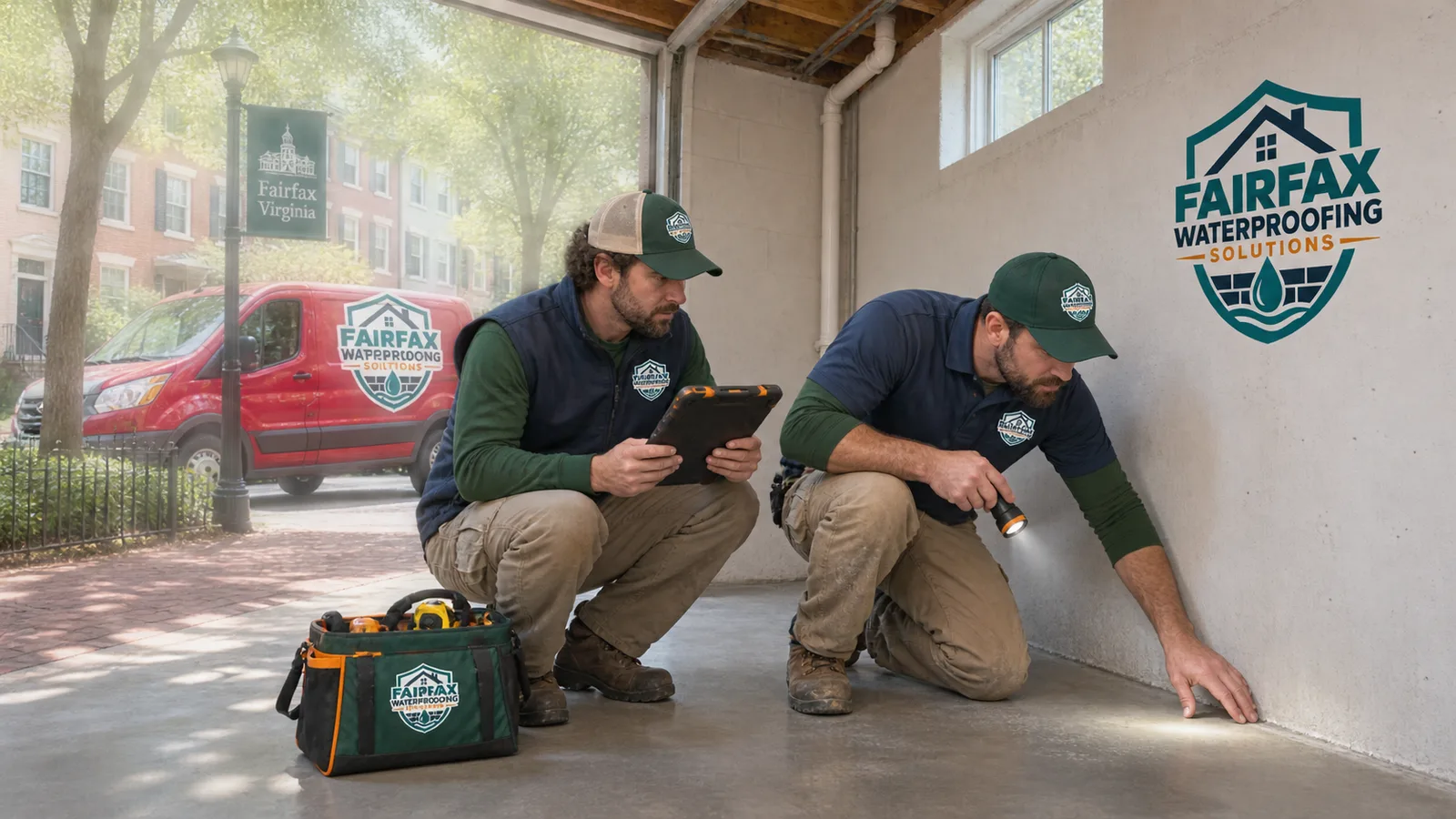
Basement waterproofing in Fairfax, VA starts with identifying how water reaches the basement. Common entry points include wall cracks, foundation penetrations, the joint where the wall meets the floor, and areas exposed to water collecting beside the foundation.
Fairfax Waterproofing Solutions evaluates visible moisture, staining, efflorescence, musty conditions, and drainage around the affected area. The repair plan may involve sealing a localized opening, controlling water with an interior drainage channel, directing it to a sump system, or correcting an exterior drainage problem. The right approach depends on the water source, foundation construction, and whether the problem appears after prolonged rain, sudden storms, or throughout the year.
A proper inspection separates a plumbing leak, condensation issue, and groundwater problem before work begins. That distinction matters because coatings alone cannot solve active water pressure behind a foundation wall.
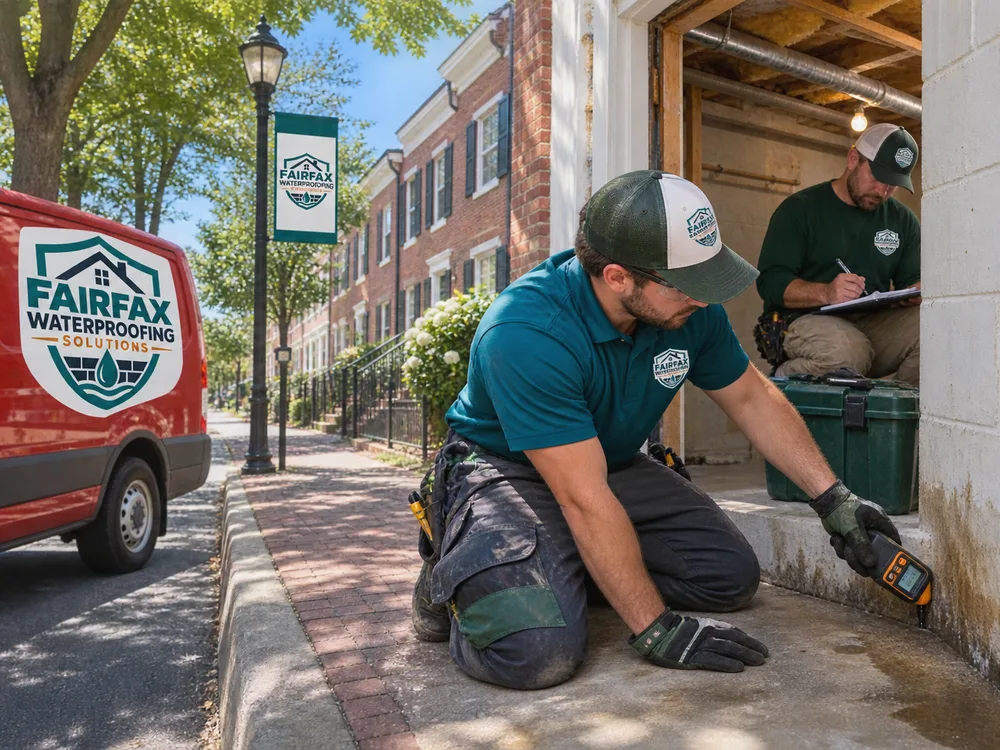
Installation of sump basins, pumps, discharge piping, and related components that collect and move water away from the basement.
Repair and moisture control for damp crawl spaces, including damaged areas, vapor barriers, encapsulation, and water management measures.
Interior channels and French drain systems that collect water at the foundation perimeter and direct it toward a suitable discharge point.
The inspection considers staining, damp wall sections, floor cracks, foundation penetrations, efflorescence, and the wall-to-floor joint. These clues help distinguish surface moisture from water entering under pressure.
A small crack and widespread perimeter seepage require different repairs. Recommendations are based on the location, frequency, and volume of water rather than applying one method to every basement.
Downspout discharge, grading, window wells, foundation drainage, and sump discharge can affect basement conditions. Reviewing the route water takes helps address contributing problems instead of covering visible stains.
Finished walls and flooring can conceal damp materials or restrict access. The proposed scope should account for inspection openings, removal needs, drainage placement, and restoration responsibilities before waterproofing begins.
A useful scope identifies the affected area, proposed repair method, required access, and expected site preparation. Homeowners can review what work addresses and what falls outside the planned project.
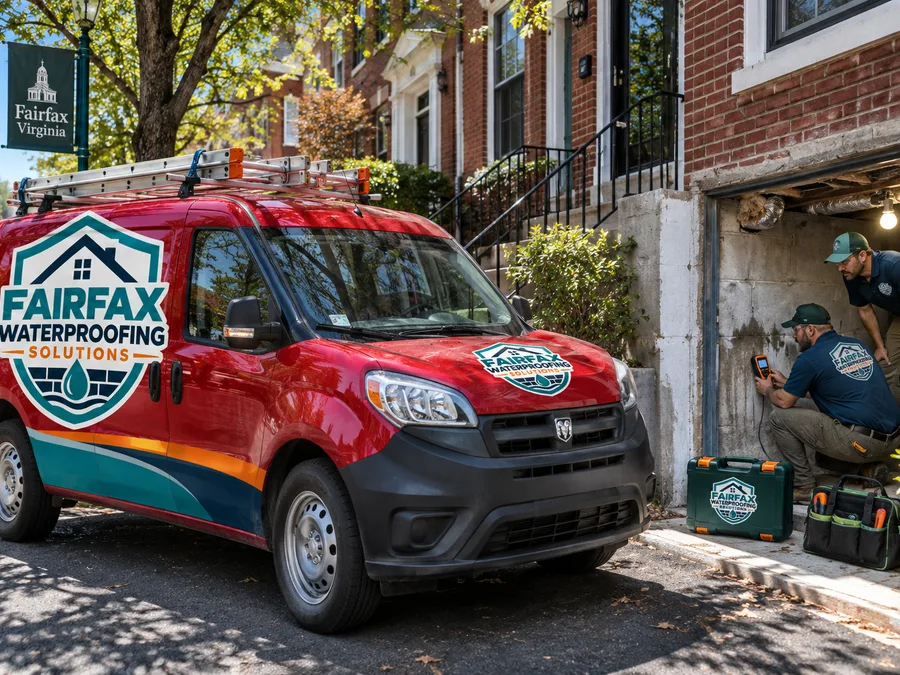
Fairfax Waterproofing Solutions provides basement waterproofing and wet basement repair in Fairfax, Virginia.
The company focuses on finding the likely source of water before recommending a repair. That means looking beyond the wet spot to consider foundation openings, hydrostatic pressure, drainage paths, sump capacity, and conditions outside the wall. Customers receive an explanation of the observed problem and a scope suited to the basement rather than a generic treatment.
Local service also means accounting for the region's periods of heavy rain and the way established lots, additions, patios, and altered grading can direct runoff toward a foundation. The aim is a practical water-management plan that fits the home's construction and the way moisture is entering.
Basement waterproofing in Fairfax typically costs about $1,500 to $8,000, while extensive interior drainage or exterior excavation can reach $10,000 to $20,000 or more. A localized crack repair may cost several hundred to roughly $1,500.
Final price depends on the water source, affected perimeter, foundation type, excavation needs, sump equipment, finished-wall removal, access, and restoration work. Exterior systems generally cost more because they require digging and wall preparation. The exact cost is confirmed after an on-site inspection establishes the repair scope.
The affected walls, floor, cracks, penetrations, sump area, and visible moisture patterns are examined. Conditions outside the foundation are reviewed when they may be contributing to water entry.
Observations are used to distinguish crack seepage, wall-to-floor joint leakage, drainage failure, groundwater pressure, condensation, or a possible plumbing issue.
The proposed scope explains the recommended method, affected areas, access needs, site preparation, and how collected water will be carried away.
The agreed waterproofing components are installed, the work area is reviewed, and operating considerations for drainage or sump equipment are explained where applicable.
Address basement water before it damages finishes or leaves concealed materials damp. An inspection can establish where the water enters and which repair fits the condition.
Call for a Free EstimateFairfax Waterproofing Solutions works with homeowners throughout Fairfax and nearby residential communities where foundation layout, lot drainage, and finished lower levels shape the repair approach.
Established neighborhoods include homes with mature landscaping, additions, patios, and changed grading that can alter how stormwater moves near basement foundations.
Wooded lots and mature plantings make downspout routing, soil slope, and water movement around the foundation useful parts of a basement moisture assessment.
Townhouses, detached homes, and planned developments require repair plans suited to different foundation access, finished basements, and shared drainage conditions.
Split-level and detached homes may have lower living areas close to exterior grade, making wall penetrations and foundation drainage important inspection points.
Dense development and newer residences can limit exterior excavation access, so interior drainage routes and discharge planning may shape the available repair options.
Attached and detached housing calls for careful review of lot drainage, foundation access, and where collected basement water can be discharged.
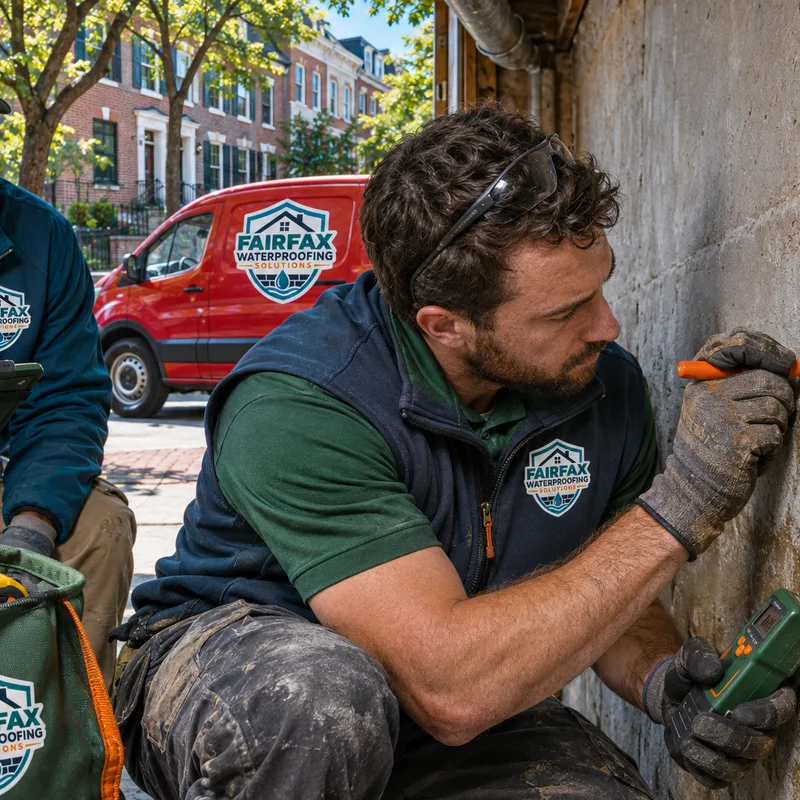
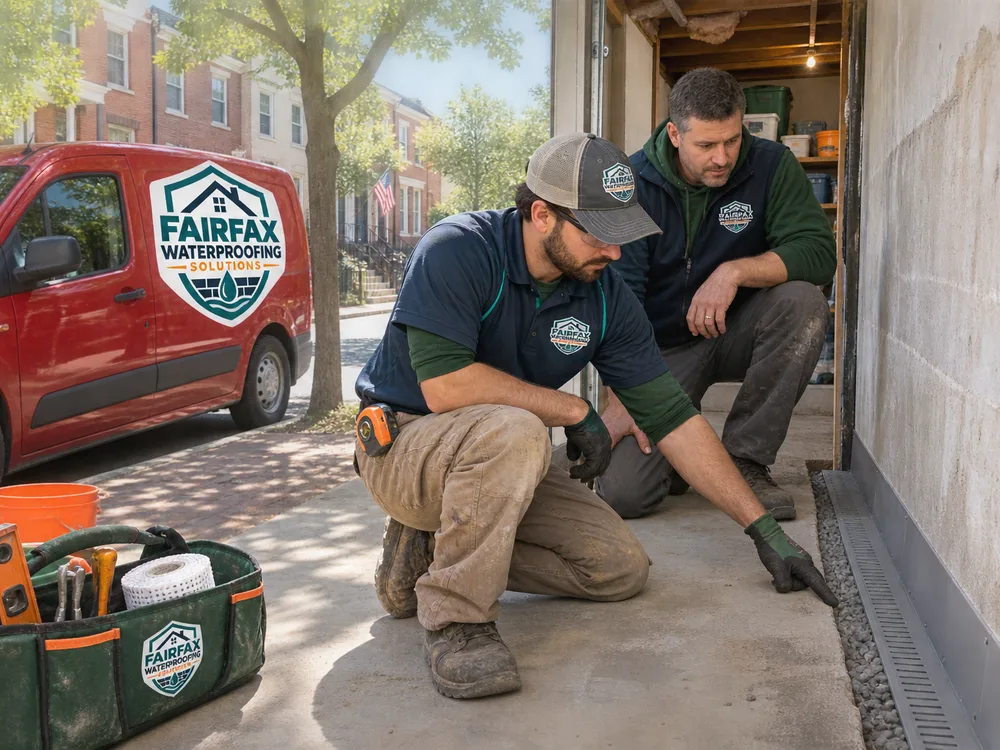
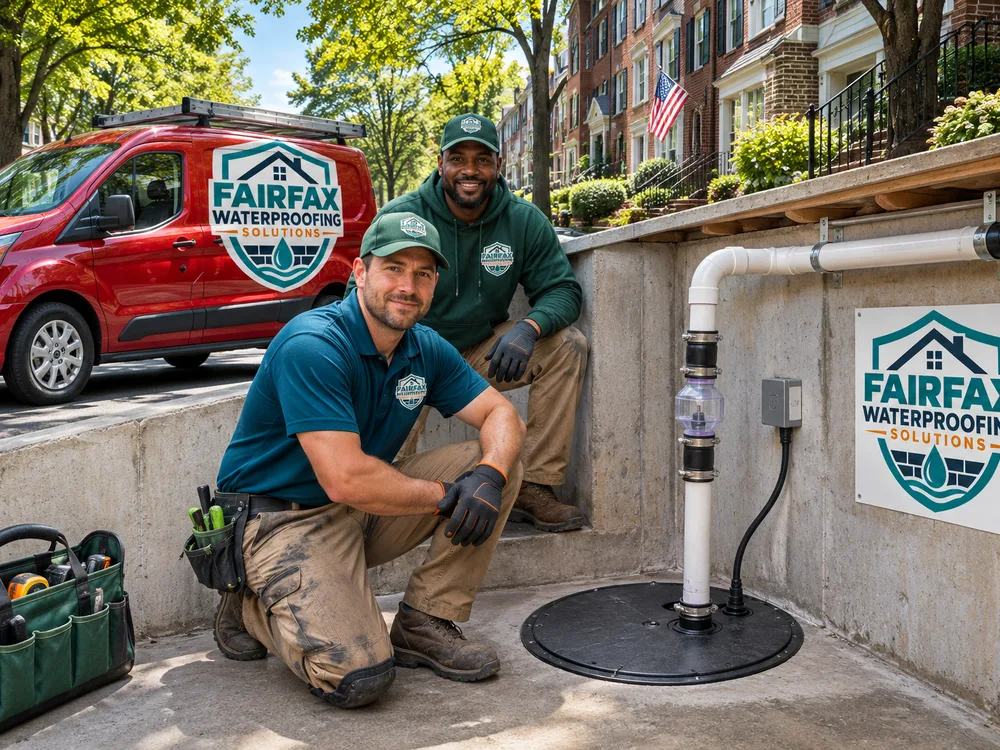
Describe where water appears, when you first noticed it, and whether it follows rain. Photos of staining or active seepage can add context, but an on-site inspection is needed to assess foundation and drainage conditions.
Usually, accessible areas should remain intact until the initial inspection identifies where closer access is needed. Move stored belongings away from the wet area and note any recent changes in flooring, paint, or wall condition.
Yes, finished basements can be waterproofed, but access and restoration requirements must be defined first. Portions of drywall, trim, flooring, or built-ins may require removal when they cover the affected foundation area.
Share the affected room, visible entry point, storm conditions, duration of the problem, and whether a sump pump or drainage system already exists. This information helps frame the inspection before the repair scope is prepared.
The service area includes Fairfax and nearby communities such as Mantua, Fair Oaks, Greenbriar, Mosaic District, and Penderbrook. The work remains focused on basement water entry, foundation drainage, and related moisture conditions.
Active seepage should be assessed promptly, especially when water reaches finished walls, flooring, electrical components, or stored belongings. Keep people away from electrical hazards and document where water first becomes visible.
Tell Fairfax Waterproofing Solutions where and when the water appears. The next step is an inspection that identifies likely entry points and sets out an appropriate repair scope.